Multifamily Property Optimization: Maintained vs. Optimized
There's a Difference Between a Maintained Property and an Optimized One.

Most multifamily properties in Southern California are maintained. Very few are optimized.
The distinction matters more than most property owners realize — and it shows up directly in your NOI, your vacancy rates, and the quality of residents you attract and keep.
Maintenance is reactive. It's the work you do to keep a property functional and compliant. Fix what breaks, address what's flagged, pass the inspection. It's necessary, but it's a floor, not a ceiling.
Multifamily property optimization is strategic. It's the work you do to make a property perform better than it does today. To close the gap between what your asset currently produces and what it's capable of producing.
The two are not the same, and confusing them is one of the most common and costly mistakes in multifamily property management.
What Maintenance Looks Like
A maintained property has working HVAC systems, functional plumbing, no code violations, and units that are turned when a resident moves out. The roof doesn't leak. The parking lot is passable. The common areas are clean enough.
Residents tolerate it. They don't love it. They leave when something better comes along, or when the lease is up and they've been meaning to move for months. Vacancy is manageable but never low. Rents are at or slightly below market because the product doesn't justify more.
None of this is negligence. It's just maintenance — keeping the asset from losing value rather than building it.
What Multifamily Property Optimization Actually Looks Like
An optimized property has been looked at strategically. Someone asked: what is this asset capable of, and what's standing between where it is today and where it could be?
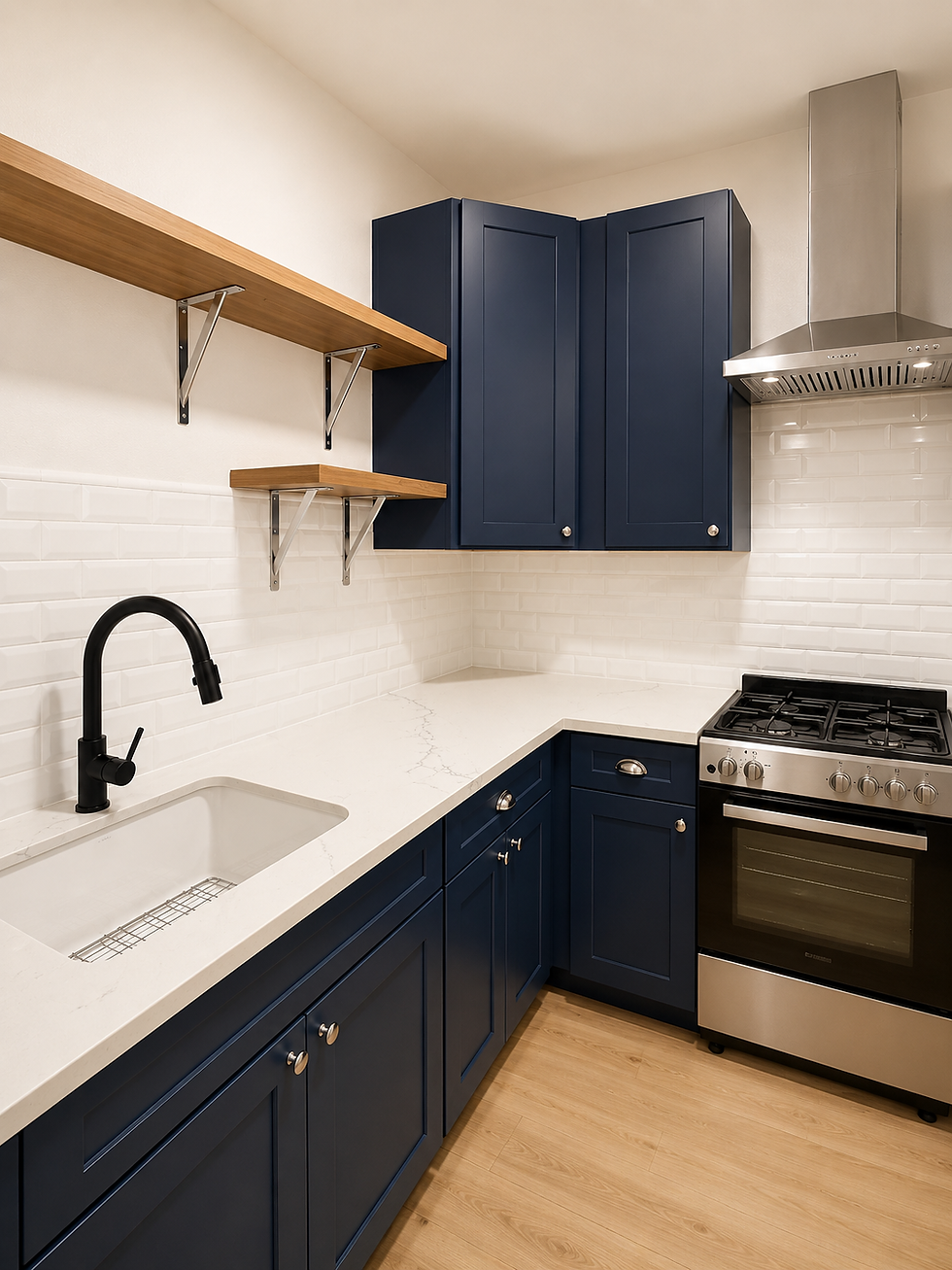
Sometimes the answer is unit interiors. Updated kitchens and bathrooms, new flooring, modern fixtures — the improvements that justify a rent premium and attract residents who will stay longer because they feel like they got something worth paying for.
Sometimes it's common areas. A laundry room that feels like an afterthought, a courtyard that no one uses, a leasing office that doesn't reflect the quality of the units — these are the first things prospective residents see, and they shape the impression before anyone opens a door.
Sometimes it's systems. HVAC upgrades, EV charging, smart access, LED lighting conversions — improvements that reduce operating costs, appeal to a specific resident profile, and often qualify for rebates or incentives that offset the capital outlay.
And sometimes it's the exterior. Curb appeal drives leasing velocity. A building that looks well-cared-for from the street attracts more inquiries, converts at a higher rate, and commands higher rents before a prospective resident ever sees the inside.
Optimization is different in every property. The common thread is intentionality — deciding what the asset should be and making targeted investments to get it there.
Why the Gap Exists
Most property owners and managers are managing too many things at once to step back and ask what an asset is capable of. The urgency of maintenance crowds out the strategy of optimization.
There's also a capital question. Optimization requires upfront investment, and the return isn't always immediate or easy to quantify. It's easier to approve a repair than to approve a renovation, even when the renovation has a clear ROI.
And there's a vendor problem. Contractors who are good at maintenance — fast, responsive, reliable for repairs — aren't always the right partners for renovation work. The skill sets overlap but aren't identical, and a contractor who handles your service calls may not be the right person to scope and execute a $300K unit renovation program.
How to Think About the Gap at Your Property
The first step is an honest assessment of where your property sits today relative to what it could be. That means looking at your rents against comparable properties in the submarket, your vacancy and turnover trends, and the physical condition of units and common areas with fresh eyes.
Some questions worth asking: What would it take to justify a $200 rent premium on a unit turn? What's driving turnover, and is any of it attributable to the physical product? What do prospective residents say when they tour and don't lease?
The answers usually point to a handful of high-leverage improvements that are worth prioritizing above the rest.
The second step is finding the right contractor for the work. Optimization projects require a partner who can think about scope strategically, manage occupied renovations without disrupting residents, and deliver consistent quality across multiple units or buildings. That's a different conversation than scheduling a plumber.
The ROI of Optimization
The math on strategic multifamily renovation is usually compelling once you run it. A $15,000 to $25,000 unit renovation that justifies a $200 to $300 monthly rent increase pays back in four to eight years on the renovation cost alone — and that's before accounting for reduced vacancy, lower turnover, and the impact on asset value at a cap rate that rewards higher NOI.
Common area and exterior improvements have a different return profile but often drive leasing velocity and reduce the cost of vacancy in ways that are harder to measure but real.
Optimization doesn't mean spending money everywhere. It means spending money in the right places, in the right sequence, with a clear view of what each dollar is expected to produce.
Diamond Pro Can Help
Diamond Pro is a WBENC-certified, women-owned licensed general contractor based in Sun Valley, specializing in multifamily and commercial property renovations across Southern California. We work with property owners and managers on unit renovation programs, common area upgrades, exterior improvements, and capital improvement planning — the work that moves a property from maintained to optimized.
If you're ready to think strategically about what your asset is capable of, we'd love to be part of that conversation.


Comments